

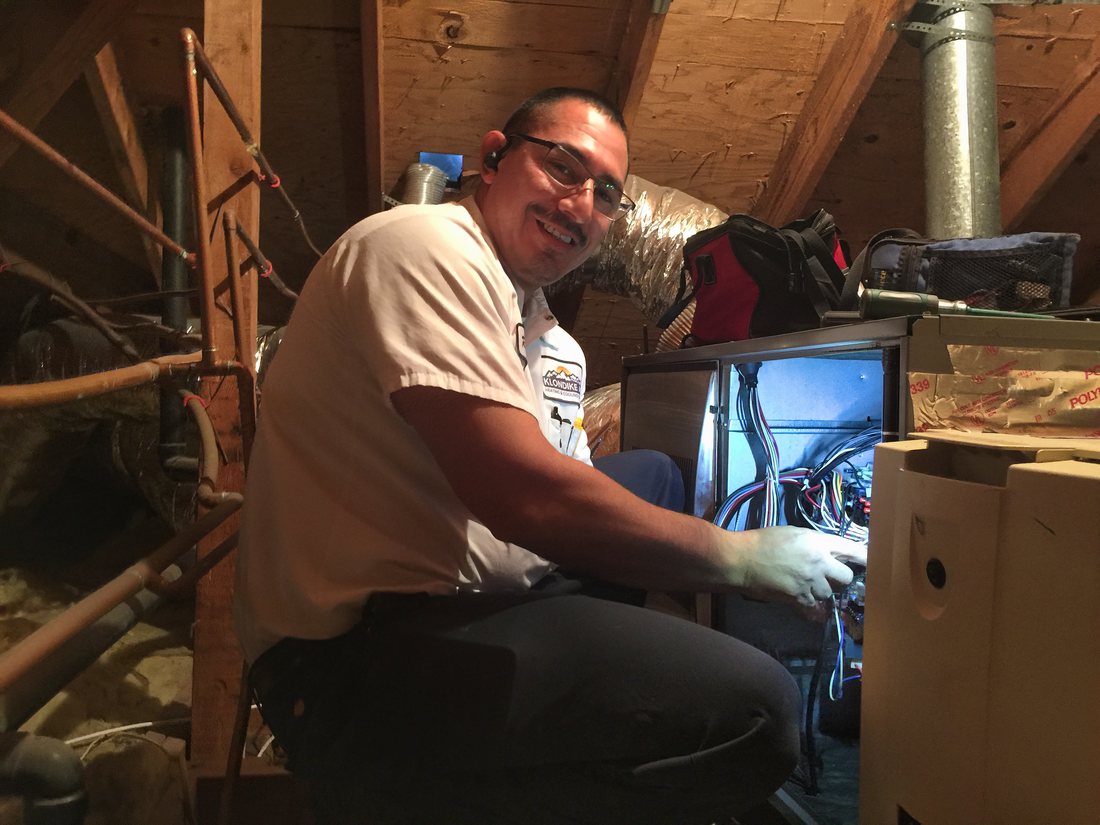
A dependable heating system is an important part of home comfort, even in Southern California. Orange County may have relatively mild winters compared with colder parts of the country, but nighttime temperatures can still make a properly functioning furnace essential. When a heating system starts making unusual noises, blowing cold air, or refusing to turn on, understanding the problem can help homeowners decide what to do next.
This complete guide to furnace repair Orange County services explains common furnace problems, warning signs, basic troubleshooting, repair considerations, maintenance, and situations where replacement may make more sense than continued repairs.
Why Furnace Maintenance and Repair Matter in Orange County
Because heating systems may sit unused for extended periods, problems can become apparent when homeowners turn them on during the colder months. Ignition components, flame sensors, filters, thermostats, blowers, and other parts can develop faults that affect performance.
Local HVAC service information identifies issues such as ignition failures, dirty flame sensors, airflow restrictions, blower problems, control-board faults, gas-valve problems, and condensate drainage issues among the problems technicians commonly encounter.
Prompt attention can also prevent a relatively small problem from placing additional stress on other components. More importantly, gas furnaces contain safety-related components that should be inspected and repaired correctly.
Common Signs Your Furnace Needs Repair
Recognizing early warning signs can help homeowners address heating problems before a complete breakdown occurs. Several symptoms deserve attention.
Furnace Will Not Turn On
A furnace that does nothing when the thermostat calls for heat may have a thermostat problem, electrical issue, tripped safety control, ignition failure, or another mechanical fault.
Before calling for service, homeowners can check whether the thermostat is set to heating mode and whether the desired temperature is above the current room temperature. Checking the furnace power switch and circuit breaker can also identify simple power-related problems.
The Furnace Blows Cold Air
Cold air from the vents does not always mean the entire furnace has failed. Possible causes include thermostat settings, restricted airflow, ignition problems, flame-sensor issues, or safety controls shutting the burners down.
If the blower operates but the furnace does not produce warm air, professional diagnosis may be necessary to determine whether the problem involves ignition, fuel delivery, or another component.
Frequent Short Cycling
Short cycling occurs when a furnace repeatedly starts and stops without completing a normal heating cycle. Restricted airflow, overheating, dirty components, thermostat problems, or safety controls can contribute to this behavior.
A clogged filter is one basic issue homeowners can check themselves. If replacing the filter does not solve the problem, the system should be inspected rather than repeatedly restarted.
Strange Sounds
A furnace that suddenly begins making banging, rattling, squealing, grinding, or unusual vibrating sounds should not be ignored. Different sounds can originate from the blower assembly, motor, loose components, ignition system, or ductwork.
The type and timing of the noise can give a technician useful information when diagnosing the system.
Unusual Smells
A brief dusty smell when a furnace is first operated after a long period of inactivity can occur as accumulated dust burns off. However, persistent burning odors or the smell of gas should be treated seriously.
If you smell gas, avoid operating electrical switches or creating flames, leave the area, and contact the appropriate emergency or gas service from a safe location.
Furnace Components That Commonly Require Attention
Understanding the basic components of a furnace can make repair recommendations easier to understand.
Igniter
The igniter starts the combustion process in many modern gas furnaces. A failed igniter can prevent the burners from lighting, leaving the home without heat.
Flame Sensor
The flame sensor confirms that the burner has successfully ignited. If the sensor becomes dirty or fails, the furnace may ignite briefly and then shut the gas supply down as a safety response.
Air Filter
The filter helps capture airborne particles before air reaches the furnace and ductwork. When a filter becomes excessively dirty, airflow can be restricted and the furnace may experience performance or overheating problems.
Replacing filters according to the equipment manufacturer’s recommendations is one of the simplest maintenance tasks homeowners can perform.
Blower Motor
The blower distributes heated air throughout the home. Problems with the motor, electrical components, or related controls can result in weak airflow or a furnace that operates without effectively heating rooms.
Heat Exchanger
The heat exchanger is a critical component because it separates combustion gases from the air circulated through the home. A suspected cracked or damaged heat exchanger requires professional inspection because of the potential safety implications.
What Homeowners Can Safely Check
Not every furnace problem requires an immediate major repair. Homeowners can perform a few basic checks before arranging professional service.
First, verify that the thermostat has power and is set correctly. Next, check the furnace switch and circuit breaker. Inspect the air filter and replace it if it is visibly dirty or according to the manufacturer’s replacement schedule.
Homeowners should also make sure supply vents are not unnecessarily blocked by furniture or other objects.
These basic checks can sometimes resolve airflow or control issues. However, homeowners should avoid disassembling gas components, modifying wiring, bypassing safety controls, or attempting complex ignition repairs without appropriate training.
When Professional Furnace Repair Is Necessary
Professional assistance is appropriate when basic checks do not restore normal operation or when the problem involves combustion, gas, electrical components, or internal furnace controls.
A qualified technician can inspect the system systematically, identify the underlying cause, explain the required repair, and test the furnace after the work has been completed. Local Orange County HVAC providers describe diagnostic procedures that may include checking ignition, burners, airflow, safety controls, thermostats, and other components.
Professional diagnosis is particularly important when the furnace repeatedly shuts down, produces unusual combustion-related symptoms, or displays signs of a potentially serious mechanical or safety problem.
How Much Does Furnace Repair Cost?
The cost of furnace repair varies significantly depending on the problem, equipment age, replacement parts, labor, accessibility, and whether emergency service is required.
Published 2026 Orange County and Southern California repair guides show substantial variation between relatively minor repairs and major component replacement. For example, diagnostic visits and smaller ignition-related repairs can be considerably less expensive than blower motors, control boards, gas valves, or heat-exchanger work.
Homeowners should therefore be cautious about choosing a contractor based solely on a price quoted without inspecting the equipment. A written estimate that identifies the failed component, proposed repair, labor, parts, and applicable warranty can make comparisons much easier.
Repair or Replace: Which Makes More Sense?
Repairing a furnace is not always the best long-term option, particularly when an older system has developed repeated problems.
Consider the furnace’s age, repair history, operating performance, energy efficiency, availability of replacement parts, and the estimated cost of the proposed repair. A relatively inexpensive repair on a newer furnace may be sensible, while repeated expensive repairs on an aging system may prompt homeowners to investigate replacement.
Safety problems also deserve special consideration. A serious issue involving the heat exchanger or another critical component should be evaluated by a qualified professional before the furnace continues operating.
How to Choose a Furnace Repair Company in Orange County
Choosing an HVAC professional should involve more than comparing the first advertised price. Homeowners can ask whether the company is appropriately licensed, insured, and experienced with their type of heating equipment.
It is also useful to request a clear diagnosis before authorizing major work. Ask what failed, whether repair or replacement is being recommended, what the total estimated cost will be, and whether the parts and labor are covered by a warranty.
A reputable technician should be willing to explain the problem in understandable terms instead of pressuring the homeowner into unnecessary work.
Preventive Furnace Maintenance Tips
Preventive maintenance can help identify developing problems before they become inconvenient breakdowns. Homeowners should replace or clean filters as recommended, keep vents unobstructed, and pay attention to changes in heating performance.
An annual professional inspection can also provide an opportunity to examine important components, verify operation, inspect safety controls, and identify worn parts. Some Orange County HVAC providers recommend preseason inspections because heating equipment may sit unused during much of the year.
Scheduling maintenance before the coldest part of the season can also give homeowners more time to address problems rather than discovering them during an unexpected breakdown.
Furnace Safety Should Always Come First
Gas-burning equipment should never be treated like an ordinary household appliance. If there is a suspected gas leak, significant combustion problem, carbon-monoxide concern, or serious equipment malfunction, stop using the system and seek professional assistance.
Installing and maintaining functioning carbon-monoxide detectors near appropriate areas of the home is another important safety measure. Homeowners should also follow the furnace manufacturer’s instructions and never bypass safety switches or controls.
Final Thoughts
A furnace problem can range from a simple airflow restriction to a complicated mechanical or safety issue. Knowing the warning signs, performing only basic homeowner checks, maintaining filters, and arranging professional diagnosis when necessary can help protect both comfort and equipment.
For homeowners searching for furnace repair Orange County, the most important consideration is not simply getting the furnace running again. The goal should be to identify the actual cause of the problem, repair it safely, understand the cost, and determine whether continued repairs or eventual replacement makes the most practical sense.
