

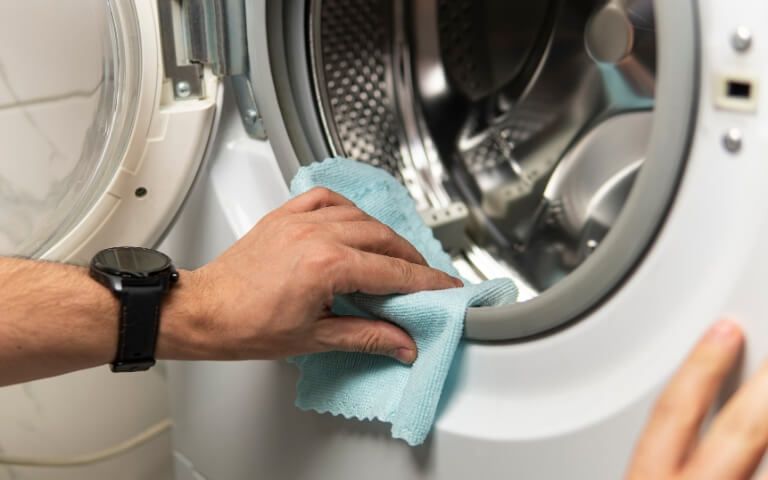
A washing machine is designed to keep clothes fresh and clean, but sometimes the machine itself can develop an unpleasant smell. A musty, sour, damp, or mold-like odor usually means that moisture, detergent residue, lint, dirt, or other buildup has accumulated inside the washer. If the problem is ignored, the smell can transfer to freshly washed clothes.
Fortunately, cleaning a smelly washing machine does not have to be complicated. With regular maintenance and attention to the areas where residue commonly collects, you can keep your washer cleaner and fresher for longer. Whether you have a front-loading or top-loading model, including a Vision Washing Machine, the basic cleaning principles are similar.
Why Does a Washing Machine Smell Bad?
One of the most common reasons for a bad washing machine smell is trapped moisture. After a wash cycle, small amounts of water can remain inside the drum, rubber door seal, detergent drawer, hoses, and other areas. When these spaces remain damp for long periods, they can encourage the growth of mildew and odor-producing microorganisms.
Another common cause is detergent and fabric-softener buildup. Using too much detergent does not necessarily make clothes cleaner. Excess product can leave a sticky residue that collects dirt and retains moisture inside the machine.
Lint, hair, body oils, and small particles from clothing can also accumulate over time. A dirty drain or filter may contribute to unpleasant odors as well, particularly when debris remains trapped inside the machine.
Signs That Your Washing Machine Needs Cleaning
There are several warning signs that indicate your washer may need a thorough cleaning. The most obvious is a persistent unpleasant smell that remains even after the machine has completed a wash cycle.
You may also notice a musty odor on freshly washed clothes, dark spots around the rubber door gasket, residue inside the detergent drawer, or slimy deposits around parts of the drum. In some cases, water may drain slowly or the machine may leave an unusual smell on towels and other fabrics.
If any of these problems appear, cleaning the washer and identifying the source of the odor should be part of your regular laundry maintenance routine.
Gather Your Cleaning Supplies
Before starting, prepare a few basic items. You may need a microfiber cloth, an old soft toothbrush or small brush, warm water, rubber gloves, a small container or towel for cleaning the filter, and a washing-machine cleaner recommended for your appliance.
Some people also use household ingredients such as baking soda or white vinegar for odor and residue removal. However, cleaning instructions can vary between washing-machine manufacturers and models. Always check your owner’s manual before using homemade cleaning solutions, particularly on rubber seals and internal components.
Most importantly, never mix chlorine bleach with vinegar or other cleaning chemicals, as dangerous fumes can be produced.
Step 1: Empty the Washing Machine
Start by removing every item of clothing from the washer. Cleaning should always be performed with an empty drum unless the manufacturer’s instructions specifically state otherwise.
Check inside the drum for forgotten items such as tissues, coins, socks, or other debris. Removing these objects first makes the cleaning process easier and prevents additional material from entering the drain system.
Step 2: Clean the Rubber Door Seal
For front-loading washing machines, the rubber door gasket is one of the most important areas to inspect. Its folds can trap water, detergent residue, lint, and dirt.
Open the door and gently pull back the folds of the rubber seal. Wipe the entire area with a clean damp cloth. Pay special attention to the lower section, where water and debris can remain hidden.
For stubborn deposits, use a soft toothbrush to loosen the buildup. Avoid aggressive scrubbing or sharp objects because damaging the gasket can eventually cause leaks.
After cleaning, dry the seal thoroughly with a clean cloth.
Step 3: Wash the Detergent Drawer
The detergent drawer can become surprisingly dirty because detergent and fabric softener frequently leave residue behind. Over time, this buildup can become a source of unpleasant odors.
Remove the drawer according to your washing machine’s instructions and rinse it with warm water. Use a soft brush or old toothbrush to clean corners, openings, and areas where hardened detergent has accumulated.
Do not forget to clean the compartment where the drawer sits. Residue and mold-like buildup can sometimes develop around the water jets and internal surfaces.
Allow the drawer to dry before putting it back.
Step 4: Clean the Washing Machine Drum
The drum may look clean while residue is hiding around less visible areas. Run the washer’s dedicated Tub Clean, Drum Clean, or Self-Clean program if your machine has one.
If your appliance does not have a cleaning cycle, follow the manufacturer’s instructions for running an empty maintenance wash. A suitable washing-machine cleaning product can help remove detergent residue, mineral deposits, and odor-causing buildup.
Some cleaning guides recommend white vinegar or baking soda as household alternatives, but these should only be used if your washing machine manufacturer permits them. Frequent or excessive use of acidic substances can potentially affect rubber components and other materials.
Step 5: Check and Clean the Drain Filter
The drain or pump filter is another area that should not be overlooked. Depending on the machine, it may collect lint, hair, small objects, and other debris.
Before opening the filter, consult the appliance manual. Some machines can release a significant amount of water when the filter is opened, so place a shallow container and towel underneath if appropriate.
Remove trapped debris carefully, rinse the filter, and clean the surrounding area. Make sure the filter is correctly secured before operating the machine again.
A blocked or dirty filter can contribute to drainage problems and unpleasant smells, so including it in routine maintenance is important.
Step 6: Run an Extra Rinse
After completing the cleaning process, running an additional empty rinse cycle can help remove loosened residue and traces of cleaning products.
This is particularly useful if there was significant buildup inside the drum, dispenser, or other components. Once the cycle has finished, inspect the washer and wipe away any remaining residue.
Step 7: Dry the Machine Properly
Cleaning alone is not enough if the washing machine remains wet between uses. Moisture is one of the biggest contributors to recurring odors.
After completing a wash, leave the door or lid open for a while, provided it is safe to do so. This allows air to circulate and helps the drum and gasket dry naturally.
For front-loaders, gently wiping the rubber seal after washing can also reduce the amount of water left behind.
How Often Should You Clean a Washing Machine?
The ideal cleaning schedule depends on how frequently the appliance is used, the type of machine, water quality, and the amount of detergent used.
For many households, a thorough washer-cleaning routine about once a month is a practical starting point. Heavily used machines may need attention more frequently, especially if they develop odors quickly.
The important point is to avoid waiting until a strong smell appears. Regular maintenance is generally easier than trying to remove months of accumulated residue.
Tips to Prevent Washing Machine Smells
Preventing odors is easier when a few simple habits become part of your laundry routine.
Use the Correct Amount of Detergent
More detergent is not always better. Excess detergent can leave residue inside the machine and on clothes. Follow the detergent manufacturer’s dosage recommendations and consider the water hardness and load size.
Do Not Leave Wet Clothes Inside
Remove laundry soon after the cycle finishes. Leaving wet clothing inside the drum for several hours can create a damp environment that encourages unpleasant odors.
Keep the Door or Lid Ventilated
When practical, leave the washer door or lid slightly open between cycles. This helps moisture escape and allows the interior to dry.
Clean the Gasket Regularly
Front-loading washers benefit from frequent gasket checks. Wipe away water, lint, hair, and detergent residue before it becomes a larger problem.
Avoid Overloading the Drum
Overloading can prevent clothes from moving freely and may interfere with proper rinsing. It can also leave more detergent and dirt behind inside the machine.
Run Regular Maintenance Cycles
If your washer has a dedicated cleaning program, use it according to the manufacturer’s recommended schedule. Regular maintenance helps prevent residue from becoming difficult to remove.
Cleaning a Vision Washing Machine
If you own a Vision Washing Machine, the same general maintenance principles can help keep it fresh and hygienic. Start by checking the specific instructions for your model because cleaning-cycle names, filter locations, detergent-drawer designs, and recommended cleaning products can vary.
Pay particular attention to the drum, detergent dispenser, rubber gasket if your model has one, and drainage area. Regularly removing residue and allowing the machine to dry between washes can help reduce the chance of unpleasant smells returning.
Rather than relying on one cleaning method for every washer, it is best to follow the care instructions supplied with your particular Vision Washing Machine.
What If the Smell Does Not Go Away?
If you have thoroughly cleaned the drum, gasket, detergent drawer, and filter but the smell continues, there may be a deeper problem.
A persistent sewage-like smell can sometimes be associated with drainage or plumbing issues rather than ordinary washer residue. Standing water, poor drainage, a blocked hose, or another mechanical issue may also contribute to unusual odors.
If cleaning does not solve the problem, stop repeatedly adding cleaning chemicals and consider having the appliance inspected by a qualified technician.
Final Thoughts
A smelly washing machine is usually a sign that the appliance needs more attention than simply running another laundry load. Moisture, detergent residue, dirt, lint, and trapped debris can gradually create unpleasant odors inside the machine.
The most effective approach is to clean the drum, detergent drawer, rubber seal, and filter regularly while also allowing the washer to dry properly between cycles. Using the correct amount of detergent and avoiding overloaded washes can further reduce buildup.
With consistent care, a Vision Washing Machine or another household washer can remain cleaner, fresher, and better prepared to deliver genuinely fresh laundry.